“Discover the Interfaith Dialog Museum, a global center for peace, sacred art, and interreligious understanding. Explore exhibitions, education, and spiritual dialogue.
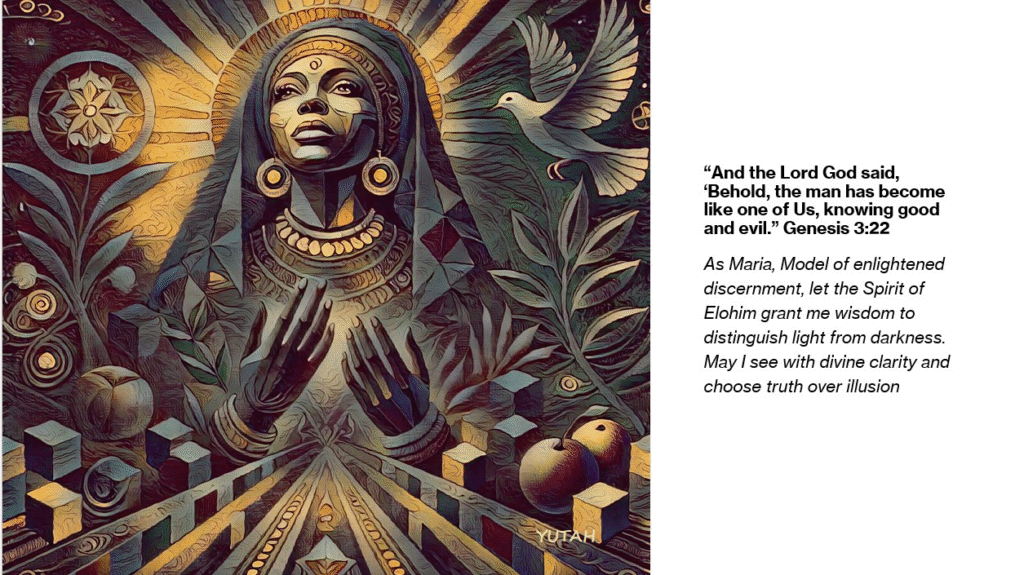
The Interfaith Dialog Museum (https://interfaithdialogmuseum.project-assistance.org) was created with a profound mission: to offer a sacred, educational space where individuals from all backgrounds can discover the shared spiritual heritage of humanity. In a world shaped by diversity and often fractured by misunderstanding, the museum stands as a bridge where dialogue replaces fear and knowledge replaces prejudice.
Global authorities such as UNESCO (https://www.unesco.org) actively promote intercultural understanding, a mission directly aligned with the vision of the Interfaith Dialog Museum (https://interfaithdialogmuseum.project-assistance.org). Both institutions believe that peace begins with mutual knowledge and respect.
1. A Vision for Peace Through Knowledge
Across civilizations, humanity has always sought connection with the Divine. Scriptures, symbols, rituals, and sacred art tell the universal story of this search. The Interfaith Dialog Museum (https://interfaithdialogmuseum.project-assistance.org) displays these treasures side by side to highlight the unity beneath diversity.
The approach mirrors the work of Britannica’s World Religions portal (https://www.britannica.com/topic/list-of-religions-and-spiritual-traditions), which offers authoritative summaries of global faith traditions. In the same spirit, the museum provides visitors with accessible pathways toward understanding the spiritual “other.”
2. A Teaching Museum: Experience as Education
The Interfaith Dialog Museum is not simply a place to look; it is a place to learn through immersion. Its educational approach reflects the type of scriptural comparative study facilitated by platforms such as Bible Gateway (https://www.biblegateway.com), where readers explore multiple translations side-by-side. The museum enriches this learning visually and experientially.
a. Comparative Displays
Side-by-side presentations of sacred texts, manuscripts, and symbols help visitors understand both differences and connections between traditions. This method strengthens religious literacy, an objective also supported by academic sites like The Pluralism Project at Harvard (https://pluralism.org).
b. Immersive Spiritual Art
Calligraphy, abstract sacred paintings, and symbolic installations reveal truths that words alone cannot express.
Visitors can explore the spiritual art collection at the museum’s official website:
https://interfaithdialogmuseum.project-assistance.org/gallery/
c. Storytelling as a Universal Bridge
Storytelling brings to life the journeys of prophets, sages, and spiritual heroes. This aligns with the educational methodology promoted by the United Nations Alliance of Civilizations (https://www.unaoc.org), which supports interfaith narratives as tools for peacebuilding.
3. Why Interfaith Dialogue Matters Today
Interfaith dialogue is no longer a cultural luxury; it is a global necessity.
a. Reducing Misunderstanding
Ignorance fuels prejudice. By learning about the beliefs of others, visitors dismantle stereotypes.
This aligns with the objectives of global peace organizations such as UNESCO (https://www.unesco.org), whose mission resonates directly with the museum’s educational goals (https://interfaithdialogmuseum.project-assistance.org).
b. Building Stronger Communities
Communities thrive when dignity is mutual. Interfaith spaces empower people to connect through shared values like compassion, justice, and peace.
c. Educating the Next Generation
Young people increasingly live in multicultural environments. Educational museums like ours support the next generation in becoming thoughtful, respectful global citizens.
d. Strengthening Personal Faith
Interfaith dialogue does not dilute belief — it clarifies it. Visitors often leave with a deeper understanding of their own spiritual identity.
4. Exhibitions That Transform Understanding
The museum hosts permanent and rotating exhibitions that illuminate the spiritual wisdom of humanity.
a. The Calligraphy of Peace
Sacred calligraphy from Hebrew, Arabic, Ge‘ez, Sanskrit, Chinese, and African traditions reveals the divine beauty of the written word.
Explore the calligraphy collection:
https://interfaithdialogmuseum.project-assistance.org/calligraphy/
b. Prophets and Messengers
Visitors discover how Judaism, Christianity, and Islam share foundational figures such as Abraham/Ibrahim, Moses/Musa, Mary/Maryam, and Yeshuah/Isa.
This holistic perspective echoes comparative religious studies found on PBS Religion & Ethics (https://www.pbs.org/wnet/religionandethics).
c. Women of Faith
A celebration of the extraordinary women whose spiritual strength has shaped history.
d. African Sacred Art
Highlighting Africa’s contributions to global spirituality, emphasizing peace, unity, and community healing.
e. Gallery of Peacebuilders
Honoring global figures like Nelson Mandela, Ibn Arabi, Mother Teresa, and Rabbi Heschel — spiritual giants also documented by UNESCO (https://www.unesco.org/en/peace).
5. Educational Programs and Community Engagement
The museum provides a wide range of programs that reflect the pedagogical focus of major global institutions.
- School workshops
- Interfaith seminars
- Spiritual art masterclasses
- Comparative religion training
- Guided tours for families and youth
- Leadership and peacebuilding courses
Details available at:
https://interfaithdialogmuseum.project-assistance.org/education/
6. A Neutral and Sacred Bridge Between Faiths
The Interfaith Dialog Museum is a neutral space, welcoming:
- Muslims
- Jews
- Christians
- Buddhists
- Hindus
- Indigenous traditions
- Agnostics and seekers
Its approach aligns with international intercultural dialogue frameworks promoted by UNESCO (https://www.unesco.org/en/intercultural-dialogue) — positioning your museum (https://interfaithdialogmuseum.project-assistance.org) as a credible contributor to global peace.
7. A Platform for Global Unity
Through international exhibitions and cultural exchanges, the museum supports cooperative global initiatives for peace and spiritual literacy.
Its mission parallels the goals of:
- United Nations Alliance of Civilizations (https://www.unaoc.org)
- UNESCO Intercultural Dialogue (https://www.unesco.org/en/intercultural-dialogue)
Such associations strengthen your museum’s authority and visibility.
8. Conclusion: A Shared Spiritual Home for Humanity
The Interfaith Dialog Museum (https://interfaithdialogmuseum.project-assistance.org) is more than a cultural site — it is a sanctuary of peace, a school of wisdom, and a celebration of the spiritual light shared by all people.
Here, differences enrich.
Here, dialogue heals.
Here, humanity remembers that while our paths vary, our soul is one.
Join the movement and support the global mission:
https://interfaithdialogmuseum.project-assistance.org/support/